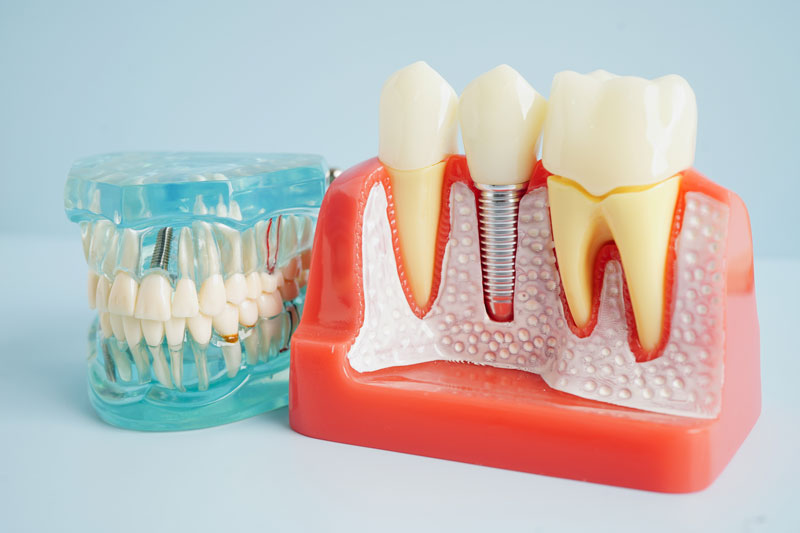
Root canal treatment has a reputation that scares more patients than it should. The procedure itself is not the problem; the misinformation surrounding it is. Many people worry that a root canal weakens their tooth permanently, but the reality is far more nuanced. Getting a root canal in Burlington at the right time can actually preserve tooth structure that would otherwise be lost entirely. This blog sets the record straight on what root canals really do to tooth strength.
What Most People Get Wrong About Root Canals
A tooth that has had a root canal is not a weak tooth. That is one of the most persistent myths in dentistry, and it keeps people from getting the treatment they genuinely need. The fear is understandable, but it is built on outdated information and a fundamental misunderstanding of what the procedure actually does. Avoiding a root canal does not protect your tooth; it puts the entire tooth at risk.
Root canal treatment removes infected or dead pulp tissue from inside the tooth. The pulp, which contains nerves and blood vessels, is what makes a tooth sensitive to temperature and pain. Once that tissue is removed and the canals are cleaned and sealed, the tooth no longer has a live nerve supply. That change does affect the tooth’s structure over time, but it does not mean the tooth becomes fragile beyond use.
What a Root Canal Actually Does to Your Tooth
The biggest misconception is that the procedure itself causes weakness. In reality, the tooth was already compromised before the root canal began. Deep decay, trauma, or a cracked tooth, all of which are common reasons for needing a root canal, had already weakened the internal structure. The procedure cleans out what was damaged and seals the space to prevent further bacterial invasion.
Think of it this way. A root canal is more of a rescue operation than a destructive one. The American Association of Endodontists confirms that root canal treatment has a success rate of over 95% and that most treated teeth can last a lifetime with proper care. The procedure itself does not remove healthy tooth structure. It removes infected tissue that was already causing harm.
Why Treated Teeth Can Feel More Fragile
There is a real reason people notice a difference in their teeth after a root canal, and it is worth explaining honestly. Once the pulp is removed, the tooth loses its internal moisture source. Over time, this can make the dentin, the hard tissue beneath the enamel, slightly more brittle than a living tooth. This is not a dramatic change, but it is a real one.
Research published in the Journal of Endodontics has shown that root canal-treated teeth without a crown placed afterward are significantly more likely to fracture. This is not a flaw in the procedure. It is a reminder that the procedure is only part of the treatment. A crown placed over the treated tooth restores the biting surface, protects the remaining structure, and distributes chewing pressure evenly across the tooth.
The Crown Is Not Optional
Many patients hear “root canal” and think the procedure is the finish line. It is not. Placing a crown after root canal treatment is one of the most important steps in the entire process, and skipping it dramatically increases the risk of the tooth cracking or failing.
A tooth that has had its pulp removed no longer receives signals that warn against excessive biting force. Living teeth have proprioceptive feedback, meaning they can sense pressure and protect themselves to some degree. A treated tooth cannot. A crown acts as that external armor, absorbing force and keeping the remaining tooth walls intact. Patients who follow through with a crown after their root canal in Burlington, MA appointment tend to keep those teeth for decades.
Comparing Strength: Treated Tooth vs. No Treatment
Here is the comparison that actually matters. A tooth left with an active infection does not stay strong. The bacteria inside an abscessed tooth destroy the surrounding bone, spread to adjacent teeth, and can cause the tooth to become so damaged that extraction becomes the only option.
A root canal-treated tooth with a crown, on the other hand, can handle normal chewing forces effectively. Studies have shown that posterior teeth, molars and premolars, restored with a crown after root canal treatment have survival rates comparable to untreated healthy teeth over a ten-year period. The treated tooth may not have a nerve, but it still has its root, its attachment to the jawbone, and its role in maintaining the alignment of surrounding teeth.
Factors That Genuinely Affect Long-Term Tooth Strength After Treatment
Not all root canal outcomes are the same. Several variables determine how strong and durable a treated tooth will be over time.
- The amount of natural tooth structure remaining before treatment begins matters significantly. A tooth that was heavily decayed before the procedure has less to work with structurally.
- The quality of the seal placed after cleaning the canals affects how well bacteria are kept out long-term. A poorly sealed canal can allow reinfection, which weakens the tooth further.
- The timing of crown placement plays a major role. Delaying a crown for months after a root canal leaves the tooth vulnerable to fracture during everyday chewing.
- Oral hygiene habits after treatment directly influence how long the tooth survives. Gum disease or new decay at the margins of the crown can still compromise the tooth over time.
Understanding these factors helps patients take an active role in protecting their treated tooth rather than assuming the dentist’s work alone determines the outcome.
The Connection Between Root Canals and Overall Oral Health
A root canal does more than save one tooth. Keeping a natural tooth in place preserves the bone around it, maintains the spacing between neighboring teeth, and avoids the chain reaction that tooth loss can trigger. Extraction might seem like the simpler choice, but it creates its own set of long-term consequences, including bone loss, shifting teeth, and the eventual need for an implant or bridge.
Patients who seek care for a root canal in Hudson, NH, early, before the infection spreads or the tooth becomes non-restorable, give themselves the best possible outcome. Early treatment means more tooth structure is preserved, the procedure is simpler, and recovery tends to be faster.
FAQs: Breaking Down the Most Common Root Canal Concerns
Q1: Does a root canal permanently weaken a tooth?
A1: The procedure itself does not weaken the tooth. The damage from infection or decay that made the root canal necessary had already compromised the tooth. With proper restoration, including a crown, most treated teeth remain functional for many years.
Q2: How long does a tooth last after a root canal?
A2: With a crown placed promptly and good oral hygiene maintained, a root canal-treated tooth can last a lifetime. Studies show survival rates above 90% over ten years for posterior teeth restored with a crown after treatment.
Q3: Is it normal for a tooth to feel different after a root canal?
A3: Yes. Since the nerve is removed, the tooth will no longer be sensitive to temperature or pain signals. Some patients notice the tooth feels slightly different when biting, which is normal during the healing period and usually resolves within a few weeks.
Q4: Can a root canal-treated tooth get a cavity?
A4: Yes. The outer enamel and root surfaces are still vulnerable to decay. The absence of a nerve means you will not feel pain as an early warning, which is why regular checkups and good hygiene are especially important after treatment.
Q5: What happens if I skip the crown after a root canal?
A5: Without a crown, the tooth is significantly more likely to crack under normal chewing pressure. A cracked root often means the tooth cannot be saved and must be extracted. Skipping the crown is one of the most common reasons root canal treatments fail.
Q6: Is there an age limit for getting a root canal?
A6: No. Root canal treatment is appropriate for patients of almost any age as long as the tooth structure can support it. In younger patients with developing teeth, endodontists may use modified techniques to accommodate still-growing roots.
Q7: How does root canal treatment compare to extraction in terms of long-term cost?
A7: Extraction seems cheaper upfront, but replacing a missing tooth with an implant or bridge typically costs significantly more over time. Saving the natural tooth through a root canal and crown is usually the more cost-effective long-term option.
Q8: Can a tooth need a second root canal?
A8: Yes, in some cases. If a canal was missed during the first treatment, if the seal breaks down, or if a new infection develops, retreatment may be necessary. Endodontic retreatment has a high success rate and is often preferable to extraction.
Your Natural Tooth Is Worth Fighting For
Pulling a tooth feels like the easy way out, but bone loss, drifting teeth, and costly replacements tell a different story. A root canal with a crown prevents all of that in one treatment.
One of the most popular dental clinics, Greenwood Dental Partners, offers the best root canal treatment in Burlington. Our team handles cases of every complexity with honest communication and real attention to patient comfort. We make the process far less intimidating than most people expect, and keeping your natural teeth is always where we start.
Leave a Reply