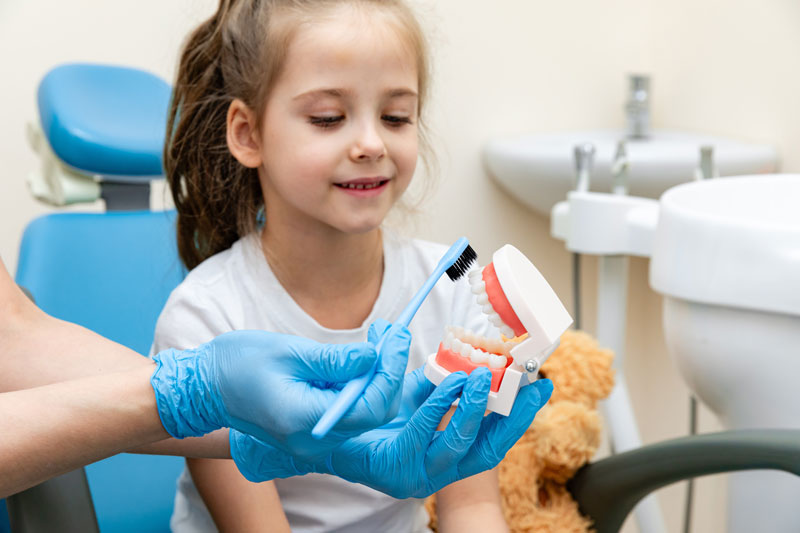
Many parents pay close attention to candy and soda but overlook drinks and feeding tools used every day. Juice boxes, fruit pouches, and sippy cups often seem harmless, yet they can expose children’s teeth to sugar and acid for long periods. A pediatric dentist in Burlington often sees early cavities linked to these common habits, even in children whose parents believe they are making healthy choices.
The Surprising Impact of All-Day Snacking on Young Teeth
Children’s cavities remain one of the most common chronic health conditions in the United States. Research from the Centers for Disease Control and Prevention shows that tooth decay affects millions of children, often beginning much earlier than parents expect. Daily habits that seem harmless can slowly create the perfect environment for cavities to form.
Juice pouches, fruit squeezes, and sippy cups have become part of everyday family life. They are convenient, portable, and easy for children to use. Marketing often presents these products as healthy alternatives to sweets. Many contain fruit, vitamins, or natural ingredients, which can make them appear beneficial for growing children.
The problem is not always the product itself. The bigger concern is how often children consume these drinks and snacks and how long they remain in contact with the teeth. Small exposures repeated throughout the day can create lasting damage that is difficult to notice until cavities appear.
Why Tiny Teeth Face Bigger Risks
Baby teeth may be temporary, but they play an important role in a child’s development. They help children chew properly, speak clearly, and guide permanent teeth into position. Their enamel is thinner than adult enamel, which means decay can progress faster once it begins. This is one reason a pediatric dentist in Burlington pays close attention to early signs of enamel damage during routine examinations.
Acid-producing bacteria naturally live inside the mouth. These bacteria feed on sugars from foods and drinks. As they digest sugar, they release acids that weaken tooth enamel. Each sugary sip or bite creates a new acid attack that can last around 20 to 30 minutes.
Children who frequently snack or sip throughout the day may rarely give their teeth time to recover. Saliva normally helps repair minor enamel damage. Constant exposure to sugar and acid reduces that recovery time.
The Hidden Problem With Juice
Many parents choose juice because it comes from fruit. Unfortunately, fruit juice often contains concentrated natural sugars. Even products labeled as 100 percent juice can contribute to tooth decay when consumed frequently.
Juice also contains natural acids. Citrus juices are especially acidic and can gradually soften enamel. Once enamel becomes weaker, bacteria gain an easier path toward deeper tooth structures.
Several habits increase the risk:
- Carrying a juice-filled sippy cup throughout the day
- Drinking juice between meals repeatedly
- Falling asleep with a cup containing juice
- Taking frequent small sips instead of finishing the drink at one time
A child who drinks one cup of juice during a meal faces far less risk than a child who takes dozens of small sips over several hours.
Fruit Pouches Are Not Always Tooth-Friendly
Fruit pouches have become a popular snack because they are convenient and create little mess. Many parents assume they are healthier than cookies or candy. Some are certainly nutritious from a dietary standpoint, but dental concerns remain.
Pureed fruit often contains concentrated fruit sugars. The sticky consistency can coat the teeth and remain in the mouth longer than fresh fruit. Some products also contain fruit concentrates that increase sugar content.
Chewing fresh fruits stimulates saliva production and helps naturally rinse the mouth. Sucking puree from a pouch does not create the same effect. The sugars may stay on the teeth longer, increasing cavity risk.
Dental professionals frequently notice that parents underestimate the amount of sugar found in some pouch products. Reading nutrition labels carefully can reveal surprising differences between brands.
How Sippy Cups Change Drinking Patterns
Sippy cups were designed to help children transition from bottles to regular cups. They can be useful tools during development. Problems arise when they become all-day companions. Many children carry a sippy cup around the house, taking small drinks every few minutes. This pattern creates continuous sugar exposure if the cup contains juice, flavored milk, sports drinks, or sweetened beverages.
Even milk can contribute to decay when consumed constantly throughout the day. Milk contains lactose, a natural sugar that bacteria can use as fuel. Water remains the safest option for extended sipping. It hydrates the body without feeding cavity-causing bacteria.
The Surprising Role of Bedtime Habits
Nighttime creates unique challenges for oral health. Saliva production drops while children sleep. Less saliva means less natural protection against acids and bacteria.
A child who falls asleep with a sippy cup containing juice or milk may expose the teeth to sugar for hours. Dental professionals often refer to the resulting pattern of decay as early childhood caries.
Front teeth frequently show damage first because liquid pools around them during sleep. Cavities can spread rapidly once this process begins. Parents are often surprised by how quickly severe decay develops from bedtime drinking habits.
Warning Signs Parents Should Not Ignore
Cavities do not always cause immediate pain. Early warning signs may be subtle.
Some indicators include:
- White chalky spots near the gumline
- Yellow or brown discoloration
- Sensitivity to cold foods
- Complaints of discomfort while chewing
- Persistent bad breath
Regular dental visits help identify these issues before they become larger problems. A pediatric dentist in Hudson may detect enamel changes months before a cavity becomes visible to parents. Early intervention often prevents more extensive treatment later.
Simple Changes That Protect Growing Smiles
The good news is that parents do not need to eliminate every favorite drink or snack. Small adjustments can significantly reduce cavity risk. Serving juice during meals instead of throughout the day limits repeated acid attacks. Offering water between meals gives teeth time to recover. Fresh fruits generally create fewer dental concerns than frequent puree pouches.
Encouraging children to finish drinks within a reasonable time period also helps. Extended sipping sessions increase exposure to sugar and acid. Daily brushing with fluoride toothpaste remains one of the most effective ways to strengthen enamel and reduce cavity formation.
What Current Research Shows
Data published by pediatric dental organizations continues to highlight the relationship between sugary beverages and childhood tooth decay. Studies consistently show that the frequency of sugar exposure often matters more than the total amount consumed.
For example, a child drinking a single serving of juice during lunch generally faces a lower risk than a child taking small sips from a juice cup throughout the afternoon. The repeated acid attacks prevent enamel from recovering. This understanding has changed how many dental professionals counsel families about nutrition and oral health.
A pediatric dentist in Nashua often discusses drinking patterns, snack timing, and feeding habits alongside brushing and flossing recommendations because these daily routines have a major impact on long-term dental health.
Questions Parents Frequently Ask About Everyday Drinks and Snacks
Q1. Is 100 percent fruit juice safe for teeth?
A1. It can be part of a balanced diet, but frequent exposure still increases cavity risk because it contains natural sugars and acids.
Q2. Are fruit pouches healthier than candy for teeth?
A2. Some provide nutritional benefits, but their concentrated sugars and sticky texture can still contribute to decay.
Q3. How much juice is generally recommended for children?
A3. Pediatric health organizations recommend limiting juice intake and prioritizing water and whole fruits whenever possible.
Q4. Can milk cause cavities?
A4. Milk contains natural sugars. Constant sipping, especially before sleep, can contribute to tooth decay.
Q5. Is a sippy cup harmful on its own?
A5. The cup itself is not the issue. The contents and the frequency of use create the greatest concern.
Q6. Why are baby teeth so important if they fall out anyway?
A6. They support speech development, proper chewing, and healthy alignment of permanent teeth.
Q7. What is the best drink for a child between meals?
A7. Plain water is generally the safest choice for protecting teeth and maintaining hydration.
Q8. How often should children have dental examinations?
A8. Most children benefit from routine dental visits every six months, although individual recommendations can vary.
Small Daily Choices Create Long-Term Results
Many dental problems begin quietly through habits that seem harmless. Juice boxes during errands, fruit pouches between activities, and all-day sippy cup use can gradually wear down a child’s defenses against cavities. Awareness allows parents to make practical adjustments before problems develop.
Being a reputed pediatric dentist in Nashua, Greenwood Dental Partners helps families understand the connection between daily routines and oral health. Our team works closely with parents to identify habits that may affect developing smiles and provide guidance that supports healthy teeth through every stage of childhood.
Leave a Reply