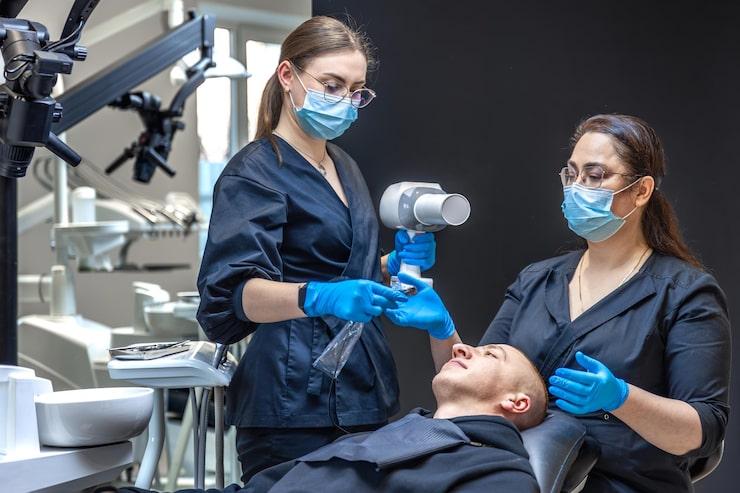
Many adults who struggle with missing teeth report changes that go far beyond appearance. Full-arch implant treatment often affects daily eating habits, speech, and self-esteem. When reviewing all-on-6 dental implant before-and-after cases, patients are often surprised that the biggest improvement is not always in the smile. In many situations, comfort and confidence create the most noticeable difference.
The Smile Is Just the Beginning: What Changes After All-on-6 Treatment
Tooth loss affects more than a person’s appearance. It can change the foods they eat, the way they speak, and even how they interact with others. Many people adapt to these changes over time, but adaptation does not mean comfort. Daily frustrations often become normal until a solution restores what was lost.
All-on-6 implants were developed to replace a full arch of missing teeth using six strategically placed implants. The treatment creates a stable foundation for a fixed prosthetic arch, helping patients regain function and appearance. Yet the most interesting question remains: what changes the most after treatment, the smile, the bite, or confidence? The answer depends on the individual, but each area experiences meaningful improvement.
The Starting Point Matters More Than Most People Realize
Every patient begins treatment from a different place. Some have worn dentures for years. Others have experienced severe periodontal disease or multiple failed restorations. Research published in implant dentistry journals consistently shows that quality-of-life scores improve significantly after full-arch implant treatment. Those improvements often relate directly to the challenges patients faced before surgery.
Common issues before treatment include:
- Difficulty chewing tougher foods
- Dentures that slip during conversations
- Jawbone loss affecting facial appearance
- Embarrassment during social situations
- Avoidance of photographs
- Reduced confidence in professional settings
The severity of these problems often shapes which benefit feels most dramatic afterward.
A Smile That Looks More Natural
Appearance is usually the first thing people notice when comparing before-and-after photos. Missing teeth, worn restorations, and collapsing facial support can make a person appear older than their actual age. All-on-6 treatment helps restore the natural dimensions of the smile. The prosthetic arch supports the lips and cheeks more effectively than many traditional dentures.
Patients frequently notice:
- Fuller facial contours
- Better tooth proportions
- Improved smile symmetry
- Reduced appearance of sunken cheeks
- A healthier overall facial profile
Digital treatment planning has also improved cosmetic outcomes. Modern imaging allows clinicians to design restorations that complement facial features rather than simply replacing missing teeth. Photos often highlight these visual improvements. Yet appearance tells only part of the story.
The Bite Often Experiences the Biggest Functional Upgrade
Many people underestimate how much tooth loss affects chewing efficiency. Natural teeth distribute forces across the jaw during eating. Missing teeth disrupt this balance. Dentures can restore appearance, but they rarely replicate the stability of fixed implant-supported restorations.
Studies have shown that implant-supported full-arch restorations can significantly improve bite force compared to conventional dentures. Increased chewing efficiency allows patients to enjoy a wider range of foods.
Patients often return to foods they previously avoided, including:
- Apples
- Steak
- Nuts
- Raw vegetables
- Crusty bread
- Corn on the cob
Eating becomes less stressful. Meals no longer require constant attention to denture movement or discomfort. Speech can also improve. Certain sounds rely on proper tongue placement against the teeth. Stable restorations help restore those speech patterns more naturally.
Many patients describe the bite improvement as life-changing because it affects daily activities multiple times every day.
The Psychological Shift Can Be the Most Powerful Outcome
Clinical studies repeatedly show that oral health influences emotional well-being. Missing teeth can affect social confidence in subtle but meaningful ways. Some people learn to hide their smiles. Others avoid public speaking, group photos, or close conversations. Confidence often changes gradually after implant treatment. It rarely happens overnight.
Patients commonly report:
- Less self-consciousness
- Greater willingness to smile
- Improved social participation
- Increased confidence at work
- Reduced anxiety about eating in public
Interestingly, these improvements are difficult to capture in photographs. A smile can look beautiful in a before-and-after image, yet the emotional benefit behind that smile may be even more valuable.
How Bone Support Influences the Final Result
Bone quality plays a major role in treatment planning. The jawbone naturally shrinks after tooth loss. Some studies estimate that significant bone reduction can occur during the first year after extraction. Implants help stimulate the bone and maintain volume. Strong bone support contributes to long-term stability and appearance.
Advanced 3D imaging allows clinicians to evaluate bone conditions before surgery. The information gathered helps determine implant positioning and restorative design. Patients who receive treatment earlier often preserve more natural anatomy, which can contribute to excellent long-term outcomes.
Why Full-Arch Implant Patients Compare Treatment to Turning Back the Clock
People often focus on teeth when discussing implant treatment. The broader impact extends into daily routines and habits.
Activities that seem simple become easier again:
- Ordering favorite foods without hesitation
- Laughing freely during conversations
- Speaking clearly during meetings
- Smiling in family photographs
- Participating confidently in social events
These improvements create a cumulative effect. Small victories throughout the day often add up to substantial lifestyle changes.
This is one reason many patients researching all on x dental implants spend considerable time examining patient outcomes rather than simply reviewing technical details. They want to understand how life changes after treatment, not just how the procedure works.
The Cost Question Patients Always Ask
Financial considerations play a major role in treatment decisions. Many people searching online eventually ask, how much do all-on-4 dental implants cost. Pricing varies based on several factors, including geographic location, diagnostic needs, bone grafting requirements, materials used, and overall case complexity.
Comparing treatment solely on price can be misleading. Long-term durability, clinician experience, technology, and prosthetic quality contribute significantly to overall value. A complete evaluation provides a more accurate understanding of treatment needs and expected outcomes.
What Patients Notice First After Healing
The first major improvement varies from person to person. Some notice their appearance immediately. Others focus on chewing comfort. Many describe confidence as the most meaningful change because it influences nearly every aspect of daily life.
Patient surveys frequently reveal strong satisfaction rates after full-arch implant rehabilitation. Functional improvements and emotional benefits often rank equally high. That balance helps explain why treatment continues to gain popularity among adults seeking permanent tooth replacement solutions.
Midway through the treatment journey, many patients find themselves reviewing all on 6 dental implants before and after examples again. This time, they notice more than cosmetic differences. They begin to recognize improvements in posture, facial support, and overall expression.
Why No Single Answer Fits Every Patient
The smile, bite, and confidence are deeply connected. A stronger bite can increase confidence during meals. Greater confidence can encourage more frequent smiling. A more attractive smile can improve social interactions.
Each benefit supports the others. Someone who struggled primarily with unstable dentures may value chewing function most. A person who avoided smiling for years may view confidence as the biggest transformation. The treatment works on multiple levels simultaneously, making it difficult to identify a single winner.
Smart Answers to Common Full-Arch Implant Questions
Q1. How long do All-on-6 implants typically last?
A1. The implants themselves can last for decades when properly maintained. The prosthetic arch may require adjustments or replacement over time due to normal wear.
Q2. Is recovery difficult after full-arch implant surgery?
A2. Most patients experience temporary swelling and soreness. Recovery timelines vary, but many return to normal daily activities within a relatively short period.
Q3. Can smokers receive full-arch implants?
A3. Smoking can increase implant-related risks. Many clinicians encourage reducing or eliminating tobacco use before treatment.
Q4. Are All-on-6 implants removable?
A4. The restoration is fixed in place by the dental team. Patients do not remove it like a traditional denture.
Q5. Do implants help reduce jawbone loss?
A5. Yes. Dental implants stimulate the jawbone and help maintain bone volume over time.
Q6. How do patients clean a full-arch implant restoration?
A6. Daily brushing, flossing tools designed for implants, and routine professional maintenance help keep the restoration healthy.
Q7. How long does the entire treatment process take?
A7. Timelines vary based on healing requirements, bone conditions, and treatment complexity. Some cases move faster than others.
Q8. Can people who wear dentures switch to implant-supported teeth?
A8. Many denture wearers qualify for full-arch implant treatment after a thorough clinical evaluation.
See the Difference Beyond the Mirror
The most important change after treatment often extends beyond appearance. A beautiful smile matters, but comfort, function, and confidence influence daily life in countless ways. While researching all on 6 dental implants before and after, many people focus on photographs first.
The deeper transformation often appears in the ability to eat comfortably, speak naturally, and engage socially without hesitation. Greenwood Dental Partners assists patients understand every aspect of full-arch restoration so they can make informed decisions based on their goals, oral health, and long-term expectations.
Leave a Reply