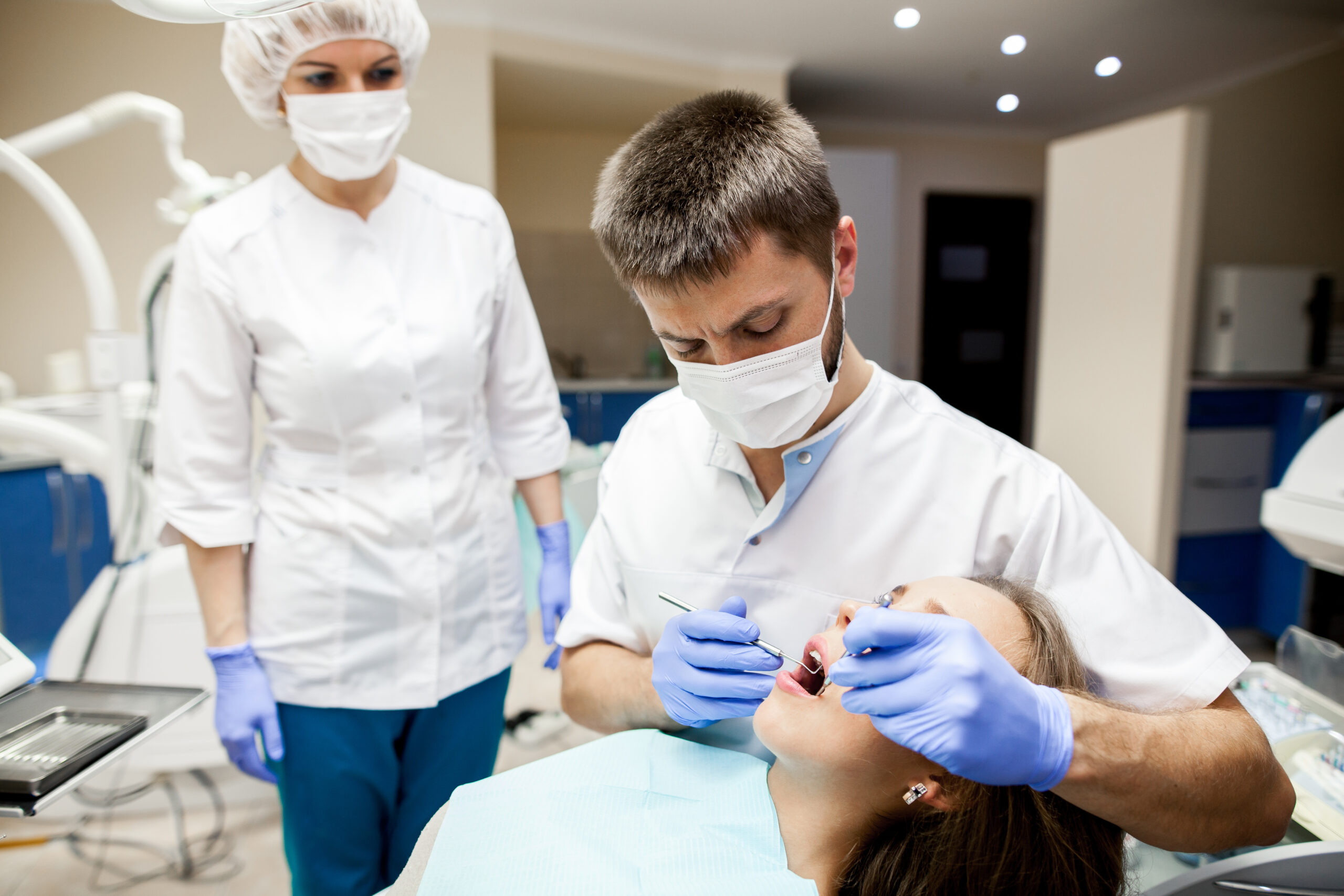
Replacing several failing teeth individually may not always make sense long term. The condition of the remaining teeth, gums, bone, bite, and number of affected teeth all influence the treatment plan. Some patients may keep several natural teeth, while others may need a broader restoration.
Several Failing Teeth Change the Treatment Plan
One damaged tooth is usually easier to manage. Several failing teeth create a different situation.
One tooth may need a crown, another may need an extraction, and an older bridge may be nearing the end of its useful life. Treating each problem as it appears can seem reasonable, yet repeated repairs may create a cycle of treatment.
The bigger question is simple: Which teeth can still be saved, and what approach makes sense across the mouth?
Start With the Teeth That Can Be Saved
A damaged tooth does not automatically need extraction. Some teeth can remain functional after restorative treatment when enough healthy structure and supporting bone remain.
A dental examination can assess decay, cracks, gum disease, bone loss, previous root canal treatment, and remaining tooth structure. The American Dental Association supports preserving natural teeth when successful treatment is possible.
The goal is to separate teeth with a reasonable long-term outlook from those that may need replacement.
When Individual Implants May Make Sense
Replacing teeth individually can work well when only a few teeth are missing and the surrounding teeth remain healthy and stable.
A dental implant replaces the missing tooth root and supports a crown. An implant-supported bridge can replace several missing teeth without placing an implant under every crown.
The location of the missing tooth also matters. A single gap surrounded by healthy teeth creates a different planning situation from several gaps spread across the mouth. The dentist may also consider how the replacement will fit with nearby teeth during chewing and normal movement.
Another consideration is the condition of the teeth beside the missing space. Strong neighboring teeth can support a stable overall bite, while weakened teeth may change the proposed treatment. Keeping these details in view can help prevent one replacement from creating problems elsewhere.
When a Broader Approach May Be Needed
The situation becomes more complex when several teeth have a poor prognosis at the same time.
A patient may have advanced decay, loose teeth linked to gum disease, aging restorations, and multiple missing teeth. Restoring one tooth may not solve the larger issue if another tooth is likely to fail soon after.
A wider treatment plan may be discussed when several teeth have extensive damage, multiple teeth have poor support, chewing has become difficult, or many teeth need major restorative work.
Timing can affect the decision too. Treating one tooth may make sense when the remaining teeth are expected to stay stable. A different approach may be more practical when several teeth already show significant damage and further tooth loss appears likely.
The aim is not to remove teeth simply because implants are available. Each tooth still needs an individual assessment.
Full-Arch Treatment Takes a Different Approach
Full-arch implants replace an entire upper or lower arch with a restoration supported by several implants.
Cleveland Clinic notes that four to six implants are commonly used in full-arch treatment. The actual number depends on factors such as bone support, anatomy, implant position, bite, and the planned restoration.
Instead of replacing each missing tooth separately, the arch is treated as one functional unit.
At a Burlington consultation, full-arch implants may come up when several teeth have a poor long-term outlook. The discussion should focus on the condition of the remaining teeth, gums, bone, and bite, not simply the number of implants.
Bone and Gum Health Matter
Implants require adequate bone support. Bone can gradually change after tooth loss, and significant loss may make implant placement more difficult.
Imaging can help assess bone volume and anatomy. Some patients may need additional procedures before implant placement.
Gum health matters just as much. Periodontal disease damages the tissues and bone supporting the teeth. Replacing missing teeth does not remove the underlying gum problem.
Active gum disease may need attention before implant treatment. Good oral hygiene and ongoing dental care remain important after treatment as well.
Complete Mouth Replacement Is a Major Decision
Several missing or failing teeth do not automatically mean the entire mouth needs to be replaced. Treatment depends on the condition of the teeth still present, along with the gums, jawbone, bite, and existing dental work.
People researching complete mouth dental implants may see several treatment approaches. One patient may be able to keep most natural teeth and replace a few missing ones. Another may have several teeth with a poor prognosis and need a more comprehensive restoration.
The treatment discussion should also cover what happens after the restoration is placed. Patients need to understand how the proposed teeth will function, what natural teeth will remain, and what ongoing care will involve. These details can make it easier to compare choices and understand the trade-offs before treatment begins.
Before making an irreversible decision, ask:
- Which teeth can realistically be saved?
- Which teeth have a poor prognosis?
- How much supporting bone remains?
- Is gum disease under control?
- How will treatment affect the bite?
- Would individual implants or a full-arch restoration make more sense?
These answers give a clearer picture than simply counting missing teeth.
Answers to Common Questions About Tooth Loss
Q1. Should every failing tooth be replaced individually?
A1. No. Individual treatment can work well when only a few teeth need replacement, and the rest of the mouth is stable. Several teeth with poor long-term prospects may require a broader plan.
Q2. Do several damaged teeth mean I need full-mouth implants?
A2. Not necessarily. Some damaged teeth can still be restored. Tooth structure, bone support, gum health, and bite all need assessment first.
Q3. Can a badly damaged tooth still be saved?
A3. Sometimes. The decision depends on remaining tooth structure, cracks, infection, bone support, and periodontal health.
Q4. What are full-arch dental implants?
A4. Full-arch implants use several implants to support replacement teeth across an upper or lower arch. The restoration may be fixed or removable, depending on the treatment plan.
Q5. Can implants work with bone loss?
A5. Possibly. Bone loss can make implant placement more difficult, but it does not automatically rule out treatment. Additional procedures may sometimes be needed.
Q6. What if gum disease caused my teeth to fail?
A6. The gum disease needs attention as part of the treatment plan. Healthy gums and supporting bone remain important before and after implant treatment.
Q7. How many implants support a full arch?
A7. Four to six implants are commonly used, according to Cleveland Clinic. The number varies based on bone, anatomy, implant position, bite, and the planned restoration.
Q8. Should I get a second opinion?
A8. A second opinion can be useful before major dental treatment. Ask which teeth can be saved, which have a poor prognosis, and why the proposed approach fits your dental condition.
Look at the Whole Mouth Before Deciding
Replacing teeth individually can work when the rest of the mouth is stable. Several failing teeth may require a wider plan.
A careful assessment can separate teeth worth preserving from those that may need replacement. Anyone exploring complete mouth dental implants should understand the condition of the remaining teeth, gums, bone, and bite before making an irreversible decision.
Leave a Reply